Early College Credits with ASU
Arizona State's Universal Learner Program Provides Access at Any Age
By Jennifer Dees
August 20, 2025
Many gifted homeschoolers are interested in early college credit as part of their education, and their options continue to grow. Years ago, homeschoolers were pioneers in early access to community college classes. Homeschool moms wrangled with admissions officers to get exceptions for their high-school-aged and younger students who were still homeschooling. These days, dual enrollment in regular high school classes and also community college or university classes is increasingly common.
Since 2002, when the Gates Foundation started its “Early College High School Initiative,” dual enrollment in college classes by public high school students has expanded dramatically. By 2010–11, the number of high school students taking college courses for credit had increased by 68 percent, to nearly 1.4 million. By the 2022–23 academic year, that number had grown to 2.5 million high school students, including a full 12 percent of California high school students.
Now that it’s completely normal for all high school students to have access to college courses along with standard high school courses, what does “early college” mean for gifted students? In our community, over the years, we have had students as young as 9 years old permitted to take classes on campus at Bay Area community colleges. Typically, such children take a qualifying test to show that they have mastered high school level basic skills (the California Proficiency Program). However, some area colleges now accept younger-than-usual students for dual enrollment without such a test. And, it is extremely easy for homeschooled teens to enroll in community college courses via dual enrollment.
Community colleges (and some 4-year colleges and universities) now offer many online courses for dual enrollment students, which can be attractive options for young students who would be uncomfortable in an on-campus class with adults. Of course, online courses are useful to all kinds of students. That’s one reason that Arizona State University’s “Accelerate ASU” program has become one of the country’s largest university dual enrollment providers, offering 75 online courses taught by Arizona State faculty. These courses have no age requirements, so they are perfect for advanced young homeschoolers who want to learn at a college level.
For students who are fully ready to handle college coursework on their own, Arizona State offers these courses directly through its ASU Universal Learner Courses. Students can try courses risk-free, enrolling for just $25. After completing a course, if they like the grade they earned in the class, they can pay $400 in tuition to earn college credit for the course.
For homeschooled students in ASU Universal Learner courses who need parental support on managing logistics of the online course, there is a Facebook group, HS4CC with ASU Courses, where parent volunteers can help answer parent questions and share information. HS4CC, Homeschooling for College Credit, is a nonprofit organization founded by Jennifer Cook-DeRosa, author of a popular book of the same name, with parent volunteers who support dozens of online groups.
Younger students taking their first college courses, however, may need more structure and guidance in how to manage the course. Those students may benefit from taking an ASU course through one of ASU’s partner programs, including homeschool coops and private K-12 course providers. ASU’s partner offering programs for gifted students is Online G3.
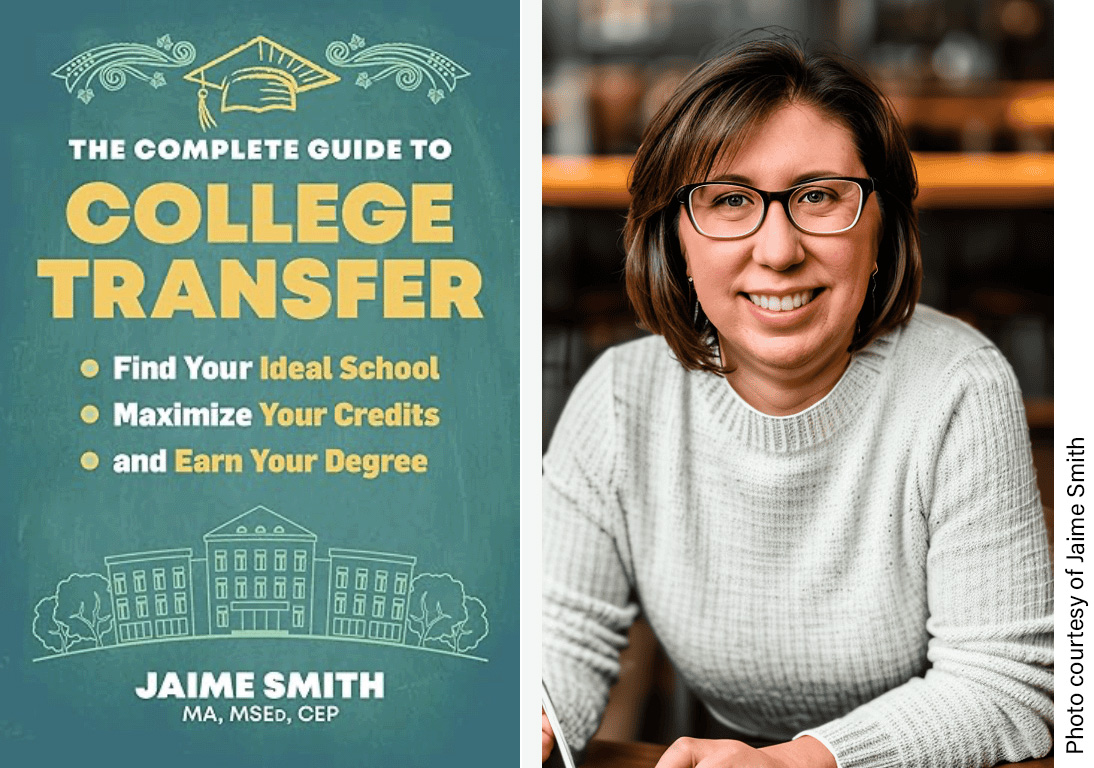
Online G3 is a private online course provider founded by Jaime Smith, an alumna of our group who homeschooled her own daughter. Jaime saw within our group a need for accelerated coursework, especially for highly gifted to profoundly gifted students. She was also involved with national gifted organizations as online courses became more popular. The interactive courses she has developed since give kids a chance to connect with other advanced learners, and they are reportedly a lot of fun (history teacher Ben Smith, Jaime’s partner, uses Horrible Histories in his classes).
Now Online G3 has expanded to offer college-credit courses through Arizona State University, as an ASU Partner. This fall, their G3xASU Support Webinars include English Composition II and Introduction to Marine Science. Students can register for one of these ASU courses through Online G3 to take the course with a cohort of other gifted students. G3 instructors lead weekly webinars and support students with “study skills, executive functioning, and calendar planning.” Other benefits are parents getting help with registration, test proctoring, and credit options.
Jaime Smith says that having a cohort for students and the G3 instructors as guides makes it possible for even the youngest homeschoolers who are ready for college-level coursework to try it out with no pressure, since they can decide if it “counts” for college credit after they complete it. She believes that many students can benefit from extra support, not just younger ones. “It’s also 2e kids, those with executive function challenges, and any student who is anxious about a first college class,” she explains. “One other thing we do in our support webinars is do anonymous emotion check-ins, to see how students are feeling about the class. That way we can address any anxieties, ask who else is feeling similarly, and remind them that this class is low-risk, so they can have fun and concentrate on learning.”
Online G3 can also handle registration for any of the other ASU Universal Learner courses, without a G3xASU support webinar.
Taking an ASU Universal Learner course either directly or through a partner like Online G3 provides options that work for a range of ages of students. One of our group’s homeschooling parents, Christina, says that her 15-year-old son “took his first course with ASU Universal Learner this spring, and we transcripted it [filed for college credit]. The process was easy. He completed the course and then we clicked through to transcript it the same day.” She cautions that there are some details to keep in mind in managing the process, but that she finds the HS4CC with ASU Courses group helpful for getting questions answered.
This fall, however, her 13-year-old daughter will take an ASU course through Online G3. For that one, she says, “we registered through Online G3 and will have the Online G3 synchronous class and support.” And her youngest, age 10, will take a different course directly through ASU Universal Learner, “Introduction to Astronomy.” To complement his experience in that college course, he’ll take a different online course at Athena’s Advanced Academy, Christina says, “to provide him with a synchronous peer cohort to happily discuss astronomy topics.”
Registering her 10-year-old with ASU Universal Learner for was very easy, says Christina. She needed a photo ID for him, so she used his passport and another photo, and then provided basic contact information. No one questioned his age. However, Jaime Smith of Online G3 says that a passport is not required. “Our kids have been able to use birth certificates (obviously non-photo) and homemade G3 ID cards to register,” she says.
As one of those homeschool moms who challenged our local community college to admit my 11-year-old years ago (they did), I’m delighted to see the growing options for our gifted homeschoolers to access college coursework and credits. Kudos to ASU and its partners for these innovative programs.
— Jennifer Dees is Cofounder of San Francisco Bay Area Gifted Homeschoolers (BAGHS).
Related:
Homeschool to College: Online G3’s Jaime Smith, a Certified Educational Planner, also leads a group parent class/community for those planning to homeschool through high school and into college.
See also our review of Jaime Smith’s new book, The Complete Guide to College Transfer.
More innovation to come from ASU: “Arizona State University President Michael Crow outlines expansion plans, academic goals,” Arizona Republic, Feb. 17, 2025).